The Truth About Ingrown Hairs
They're embarrassing. They're uncomfortable. And they don't have to be part of your hair removal routine.
Have you ever been embarrassed by ingrown hairs?
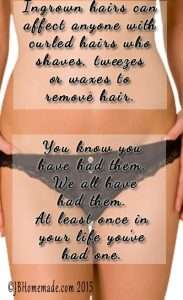
You know you've had them. We all have. At least once in your life, you've dealt with that itchy, uncomfortable bump that appears when a single hair becomes trapped under the surface of your skin after hair removal.
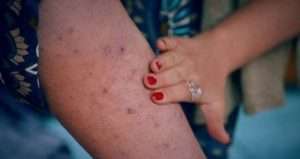
Though no one wants to talk about them, ingrown hairs are incredibly common. They can be itchy, uncomfortable, and yes — embarrassing. You may notice pus inside the bumps. They're not acne, they're not serious, but they're definitely not pretty.
What Causes Ingrown Hairs?
Curly Hair Structure
Cutting naturally curly hair too close can result in the sharpened end of the hair piercing the skin and growing sideways under the surface.
Clogged Follicles
Sometimes dead skin clogs up a hair follicle, forcing the hair inside to grow sideways under the skin rather than upward and outward.
Shaving Technique
Shaving too close or against the direction of growth can cause hair to become trapped beneath the skin's surface as it regrows.
Waxing Breakage
Traditional waxing can break hairs below the surface, leaving sharp ends that curl back into the skin as they regrow.
Who Gets Ingrown Hairs?
Anyone can get an ingrown hair, but the problem is more common in people who have curly or coarse hair. Curly hair is more likely to bend back and re-enter the skin, especially after being shaved or cut.
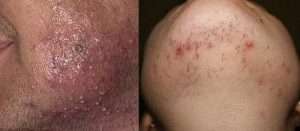
In men: Ingrown hairs often appear as bumps on the chin, cheeks, or neck after shaving. If you "manscape," you'll get them in the pubic area too.
In women: Ingrown hairs are common on the legs, pubic area, armpits, and even the buttocks.
Many African-Americans, Latinos, and people with thick or curly hair develop a type of ingrown hair called pseudofolliculitis — better known as "razor bumps." These commonly appear after shaving, waxing, or tweezing.
Signs & Symptoms of Ingrown Hairs
Ingrown hairs can affect anyone with curled hairs who shaves, tweezes, or waxes. Here's what to look for:
DO NOT Squeeze Ingrown Hairs!
Often, an ingrown hair improves without treatment. Just leave it alone. Don't try to squeeze it out! This can cause:
- × Disfiguring scars
- × Infection
- × Dangerous complications like staph infection or sepsis
Why Ingrown Hairs Are More Than Just Annoying
But one thing we likely all have in common is the fact that our pubic hairs tend to be just that: thick and curly, right on our most sensitive areas. We like to maintain a groomed look, but doing so often results in these awful bumps.
I've known many people in my life who go on stage for a living — ballet dancers, performers, bodybuilders, models. What do they all have in common? The fear of having their audience see the ingrowns that embarrass them.
Bodybuilders
Ingrowns on underarms, chest, stomach, and back. Oil for stage makes them worse by clogging pores even more.
Dancers
Ingrowns in the pubic area become irritated and inflamed when tights are worn for performances.
Models
Bikini, lingerie, and fitness models need flawless skin for photo shoots and runway appearances.
"Ingrown hairs occur when the hair shaft becomes trapped beneath the skin's surface. The red bumps that follow are often itchy and inflamed, but it's never a good idea to use tweezers or manual force to pluck them. In fact, doing so means you're actually breaking the skin—which can lead to further inflammation and infection."
— Dr. Joel Schlessinger, Board-Certified Dermatologist & RealSelf Advisor
Source: Rodale's Organic Life
Instead of picking: Apply hydrocortisone to reduce redness and itchiness, and wash with an exfoliating cleanser to help the hair reach the skin's surface.
There's a Better Way
Have you tried sugaring? Have you ever heard of sugaring?
Most people I've talked to haven't. But here's what I know after five years of sugaring on my own, at home, with organic sugaring paste:
No signs of ingrown hairs. None.
Why Sugaring Prevents Ingrown Hairs
Natural Direction Removal
Sugaring removes hair in the same direction of growth — never against it. This means less breakage and less chance of hairs growing back into the skin.
Full Follicle Extraction
Sugaring removes the entire hair, including the follicle. The hairs grow back thinner, softer, and in the correct direction.
Exfoliating Action
The sugar paste naturally exfoliates dead skin cells as it removes hair, preventing follicle blockage.
Gentle on Skin
Unlike wax, sugar paste never adheres to live skin cells — only to hair and dead skin. Less trauma = fewer ingrowns.
"I've been sugaring for five years now — in my home, with organic sugaring paste. With regular exfoliation between sessions, I haven't had a single ingrown hair. It's changed everything."
— Jen, Master Herbalist & Founder of JBHomemade
Ingrown hairs frustrating? Extremely.
Worth picking—even for a blemish-free bikini line? Absolutely not.
Visual Guide: Understanding Ingrown Hairs
Explore these helpful infographics to learn more about prevention and care.